Empower Your Journey: Navigating Cancer Treatment and Survivorship Through Nutrition and Support
In the face of a cancer diagnosis, hope can sometimes feel like a distant ember. Yet, it’s crucial to understand that hope exists in many forms, including the powerful combination of nutrition and lifestyle choices. Imagine embarking on your cancer journey with the knowledge that every bite you take can either nourish your body or hinder its healing. This critical information is essential not only for those diagnosed with malignancy but also for their families, caregivers, and community support networks. After all, a journey through oncology is not a solo expedition; it is a collective endeavor filled with potential for growth and healing.
Let's dive deeper into how nutrition plays a vital role in cancer treatment and survivorship. Picture this: a vibrant plate filled with an array of colorful fruits and vegetables, whole grains, lean proteins, and healthy fats. It’s not just food; it’s a pathway to wellbeing. Research shows that specific dietary choices can enhance the efficacy of treatment options such as chemotherapy, immunotherapy, and even radiation therapy. Nutrients from whole foods can help combat the side effects of treatment, provide energy, and support the body during rehabilitation. Are you ready to explore how these health tips can transform your journey toward recovery?
Consider the story of a survivor named Sarah who faced her tumor diagnosis with fierce determination. She learned that taking control of her nutrition not only aided in her treatment but also boosted her emotional well-being. By seeking out caregiver resources and leaning into her community support, she found the strength to advocate for herself throughout her healthcare journey. A poignant quote from Sarah resonates: 'When I embraced nutrition as part of my healing, I reclaimed my narrative.' What if Sarah's transformation could inspire others to take charge of their health through mindful lifestyle changes?
Let’s not forget the emotional components of navigating cancer. Self-care practices such as pet therapy, yoga, and mindfulness not only nourish the body but also soothe the soul. These holistic healing practices are essential in combating the myriad of symptoms that accompany cancer treatments. As you begin to integrate these lifestyle choices, remember that community support plays an indispensable role too. Are you connected with groups that share these values? Engaging with others who are experiencing similar challenges can foster an incredible sense of belonging and understanding on your journey toward survivorship.
Finally, awareness and education regarding early detection, prevention, and critical research in cancer care are paramount. By staying informed about clinical trials and innovative treatment options, patients can make empowered choices that align with their health goals. It’s a holistic approach - one where nutrition, lifestyle, and community merge beautifully to foster hope and resilience. Remember, your journey is unique, and within it lies the power to thrive. How will you prioritize your nutrition today to enhance your tomorrow?
Beyond the Diagnosis: Essential Support and Resources for Survivors
When someone receives a cancer diagnosis, a whirlwind of emotions ensues. Fear, uncertainty, and confusion can cloud one's mind, leaving individuals feeling isolated in the storm of malignancy. One question lingers above all: what comes next? It's a profound journey filled with both challenges and triumphs. But, as survivors will tell you, there’s hope, and within that hope lies the key to navigating this tumultuous path. Understanding the essential support and resources available for survivors can make all the difference in moving beyond the diagnosis and into a life filled with vigor and purpose.
Support after a cancer diagnosis can come in many forms. Community support is often vital for emotional well-being. Whether through local support groups, online forums, or wellness retreats, having a strong network of fellow survivors can foster a sense of belonging and understanding. Questions like, 'How can I cope with my feelings of anger or sadness?' have answers that echo in shared experiences. A survivor may say, 'I found healing through friends who understood my journey, and it made all the difference.' This highlights not just survival but thriving post-diagnosis. Don’t underestimate the power of community—let it be your strength.
Healthcare is no longer about just treating symptoms; it’s about treating the whole person. This holistic healing approach is gaining immense attention in the realm of medical research. Recent findings have shown that integrating nutrition and lifestyle changes can significantly impact survivorship. Have you ever considered how what you eat shapes your recovery? Whether it’s choosing a balanced diet rich in antioxidants, vitamins, and minerals or exploring the benefits of immunotherapy and chemotherapy, each step you take towards better nutrition creates a ripple effect in your well-being. Countless survivors have shared anecdotes about how dietary shifts made a remarkable difference in their recovery.
As you embark on this journey, self-care becomes a non-negotiable. Whether it's practicing mindfulness, diving into pet therapy, or simply setting aside time to read a good book, nurturing your mind and body is essential. Caregiver resources also play a crucial role. In this intricate dance of treatment options, caregivers often feel overwhelmed. They, too, need support, tips, and reassurance as they assist a loved one through palliative care or clinical trials. Just as the patient’s engagement is critical, the caregiver's emotional health is equally paramount. Ask yourself, 'How can I better support the one I care for while ensuring I take care of my own needs?'
With an ever-changing landscape in oncology, staying informed is your best ally. Educational resources about early detection and cancer awareness offer invaluable insight. Understanding symptoms, diagnosis methods, and what findings from critical research mean for your future adds to your advocacy toolkit. Engage with local organizations, read up on health tips from reputable sources, and be empowered to make informed choices about your healthcare. By actively participating in your journey from the beginning, you can advocate for yourself or your loved ones, ensuring that you navigate the complexities of cancer treatment with confidence and vigor. Remember, you are not just a patient; you are a warrior on the journey to survivorship.
Empowering Patients: Advocacy and Community Support in Cancer Treatment
When faced with a cancer diagnosis, it’s natural to feel overwhelmed by the uncertainty that looms over you. But amidst this storm, there exists a beacon of hope—community support coupled with patient advocacy. The journey through oncology is not just a medical battle but a deeply personal voyage where nutrition, emotional well-being, and lifestyle adjustments can serve as powerful allies. Did you ever consider how much the environment around you can impact your healing process?
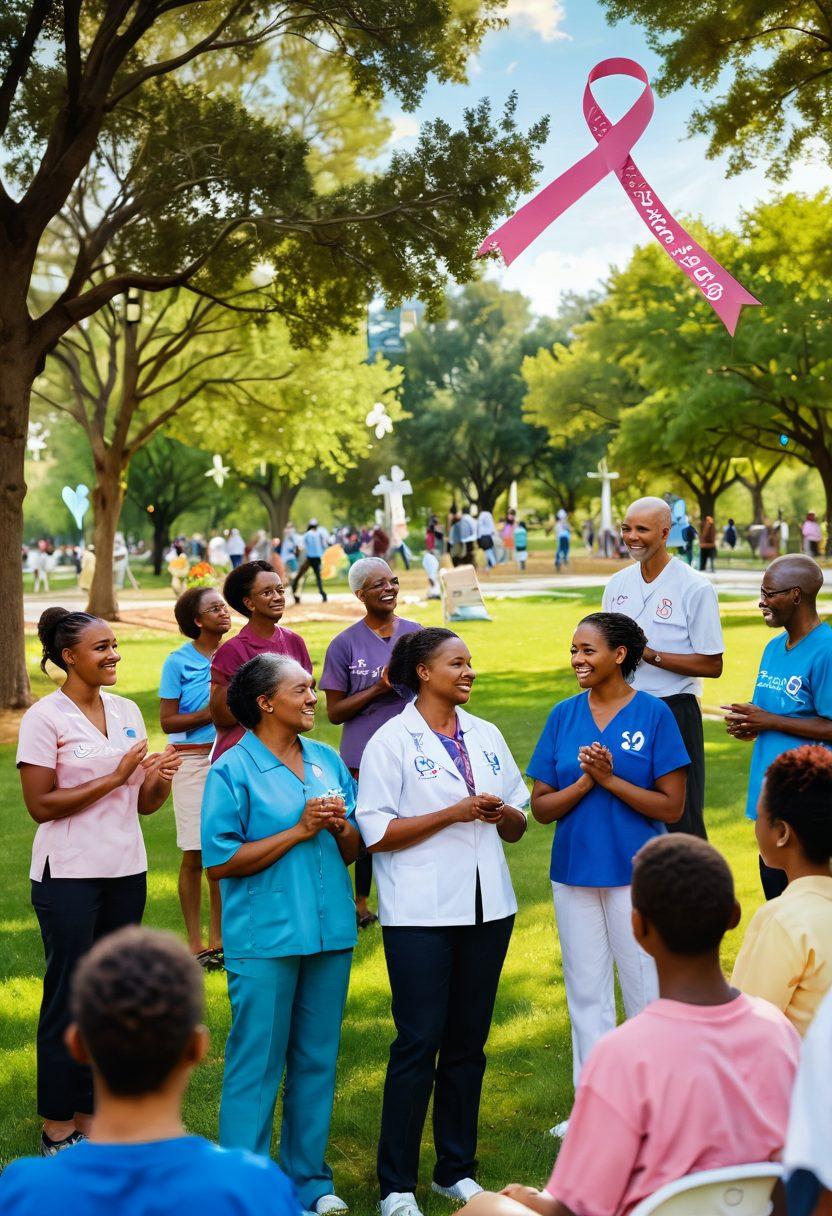
Imagine stepping into a room filled with empathetic faces, each bearing their own story of resilience. That’s the essence of community support in cancer treatment. These gatherings—whether formal support groups or informal meet-ups—transform lonely battles into shared experiences. Patients equipped with strong community ties often speak about how empowerment and encouragement from fellow survivors have fueled their fight against malignancy. Remarkably, it’s not just the patients who benefit; caregivers find solace among peers who truly understand their struggles and triumphs. After all, who better than someone walking the same road can offer a comforting hand or wise words?
Patient advocacy is a crucial pillar that bolsters this journey. Take a moment to think about the role of a passionate advocate—someone who fights tirelessly for better healthcare access and informs patients about their treatment options. These advocates guide individuals through the complexities of clinical trials, immunotherapy, chemotherapy, and radiation therapy. In a field where medical research evolves rapidly, having someone in your corner—someone who ensures your voice is not only heard but amplified—can be a game-changer. Isn’t it empowering to know you don’t have to navigate this path alone?
Nutrition plays a pivotal role in cancer management and survivorship. It is not just about eating healthy but integrating food into a holistic healing process. Many patients have found that focusing on balanced meals can help alleviate symptoms and bolster emotional well-being. Consider experimenting with anti-inflammatory foods, which may aid in recovery. Small changes, like swapping processed snacks for wholesome alternatives or exploring the world of pet therapy, can become essential health tips on this journey. What are some nutritional adjustments you could start making today?
As the journey progresses, self-care becomes equally essential, creating a well-rounded approach to navigating treatment and beyond. Embracing lifestyle changes like meditation, yoga, or simply taking a walk can significantly enhance your quality of life. Encouraging conversations about cancer awareness and early detection foster an enriching community where sharing experiences leads to the prevention of future malignancies. Each one of us has a story worth telling, one that could inspire another to seek support and advocacy. So, how will you share your journey and uplift those around you?